Showing posts with label science. Show all posts
Showing posts with label science. Show all posts
Tuesday, 12 May 2015

Tuesday, 10 March 2015
Rainforest Tours Reflection 1
1) I think that the strengths of preparing the tour was that we were prepared to speak well and had done research, but the challenges was that sometimes the kids might get disinterested, and it was hard to think of ways beforehand to deal with that.
2)The strengths of me giving to tour was that I kept them interested and they learnt quite a lot, but it was a little frantic today as it was the first time giving the tours. I think the audience got quite a bit out of the tour, but more out of the "camouflage, mimicry, and warning colours" because it was more interesting.
3) I think what I need to work on next time is to get the plan sorted. I will do this by setting a map so we know exactly where to go, instead of going in circles instead of going from bottom to top.
2)The strengths of me giving to tour was that I kept them interested and they learnt quite a lot, but it was a little frantic today as it was the first time giving the tours. I think the audience got quite a bit out of the tour, but more out of the "camouflage, mimicry, and warning colours" because it was more interesting.
3) I think what I need to work on next time is to get the plan sorted. I will do this by setting a map so we know exactly where to go, instead of going in circles instead of going from bottom to top.
Monday, 2 March 2015
Pictures for Science Topics
 |
| Fungi |
 |
| Human Impact to Wildlife |
 |
| Diseases on |
Monday, 17 November 2014
Building compeleted :) vLog day 3 and 4

Hey guys, so we finished our building, got past the "magnitude 9" earthquake, and successfully, kept it up without much movement. Watch the vid for more info.
Friday, 7 November 2014
Day 1 and 2 --- Earthquake Proof Building Project

Hey guys, so we've started building an earthquake
proof building (project for school again), and
we got the base done -- it took a while, had some problems,
but it was worth it :). Base works really well, and we'll post the blueprints next time.
Tuesday, 4 November 2014
Earthquake-proof Buildings

Saturday, 20 September 2014
What moves the plates?
The core of the earth under the lava is so hot, that it makes the magma under the crust move, which causes it to move in a pattern called a convection cell, which basically is a pattern where the magma rises, cools, and goes back into the mantle. The path that it is moving in is called a convection current, and depending on which way it rotates, (anti-clockwise or clockwise), the plates will move in that direction. The crust then spreads in two different directions: apart from each other, and directs outwards. The old segments of the crust will then end up under the earth, heated up by magma, and the new rock will be formed at the top.
Saturday, 16 August 2014
Google Science Fair
In the google science fair, I think the "wearable sensors" for tracking the movements and wanderings of Alzheimer's patients by Kenneth Shinozuka is the most efficient and one that would effect our society the most for three reasons. The first is that is is easy and cheap to create, as it does not use many materials for the sensors. Another important reason is that it would save a lot of Alzheimer's patients from wandering off and getting into an accident at night. Finally, I think that one last reason this should be voted as the best "Google Science Project" is that the the sensor is lightweight and easy to use, and finally that it will relieve a lot of stress for the caretakers of people with Alzheimer's.
Friday, 16 May 2014
Locker Alarm!
FYI: The alarm sound was too soft because of the background noise, so we added in sound effects.
Also, check out the "bloopers"! Go to this link to see it :D
Tuesday, 29 April 2014
Elodia and Saltwater
First of all, when I zoomed in, the cell membrane and the chemicals inside filled the cell. When I placed the saltwater next to the cover slip, I put the paper towel on the other side of the cover slip. Freshwater went out, and saltwater slowly went into the gaps. It retracts and white spots start to form. More water diffuses out of the elodea cells than the amount that diffuses in. Therefore, the inside of the elodea cells loses water, the cell contents shrink, and the plasma membranes pull away from the cell walls. As you can see in the last 7 seconds of the short clip, the place where the saltwater had affected the cells the most had cells that had turned into small balls. The process is called plasmolysis.However, the outer boundary of the cell did not collapse because of osmotic pressure, which is the pressure which needs to be applied a liquid before a cell wall or membrane collapses. Finally, when the freshwater was placed back in, the cells exploded, as the change of pressure was too rapid and fast for the cells to deal with, therefore resulting in chloroplast streaming, and the cell walls breaking.
1. What happens to the cells as the salt water flows under the cover slip?
It retracts and white spots start to form.
2. Why does this happen?
It happens as the salt water is depriving the cells of water and the cell is becoming dehydrated.
3. Why didn’t the outer boundary of the cell collapse?
The outer boundary of the cell did not collapse as the cell wall held it together.
4. Why do plants wilt when there is not enough water
When water in the plant is drawn out by osmotic pressure, the plant will wilt. Plants normally wilt without water because water normally helps in the transportation of nutrients and other important minerals from the soil to the plants. Then, the plant might not be able to photosynthesise or gain the minerals that it needs.
1. What happens to the cells as the salt water flows under the cover slip?
It retracts and white spots start to form.
2. Why does this happen?
It happens as the salt water is depriving the cells of water and the cell is becoming dehydrated.
3. Why didn’t the outer boundary of the cell collapse?
The outer boundary of the cell did not collapse as the cell wall held it together.
4. Why do plants wilt when there is not enough water
When water in the plant is drawn out by osmotic pressure, the plant will wilt. Plants normally wilt without water because water normally helps in the transportation of nutrients and other important minerals from the soil to the plants. Then, the plant might not be able to photosynthesise or gain the minerals that it needs.
Tuesday, 8 April 2014
Monday, 10 March 2014
Global Water Crisis
A video on protists.
Three important facts that I saw about the water crisis is:
Three important facts that I saw about the water crisis is:
- Changes in food habits may reduce the problem, as different types of food use up more water than others.
- 3900 children die every day from water borne diseases.
- 1.1 billion people live without clean drinking water.
I saw from today's samples under the microscope that how many protists could be in a drop of water, and how contaminated water would be in other countries that have to drink from unclear water. In the above fact you can see how sick these protists make humans!
Friday, 14 February 2014
Controlling a Disease
If I was the director of the health department of Singapore, and was trying to stop the spread of an extremely infectious disease, I would recommend for people who are infected to stay away from all family members and not to interact with others, unless they are also sick with the disease. For people who do not wish to get the disease, I would recommend to stay and home and refrain from going to places where many people go to.
The trade-offs for my recommendations are staying away from others for not being infected or not catching the disease. Also, it would be trading off not getting infected for going to fun places like Universal Studios or Sentosa.
The trade-offs for my recommendations are staying away from others for not being infected or not catching the disease. Also, it would be trading off not getting infected for going to fun places like Universal Studios or Sentosa.
Wednesday, 5 February 2014
The Most Accurate Way to Find pH


The results I found on the internet were not all similar to the probe, but if the probes were washed, dried with a paper towel, and vacuumed, the results would have been much more accurate.
Wednesday, 11 December 2013

Thursday, 5 December 2013
What is My Reaction Time?
(In the experiment we only showed one person's hand, but we tested both.)
What is is:This is an experiment that shows me which hand has a faster reaction time.
Variables of this experiment:
Variables
* The distance of the thumb and pointer finger
* The thumb and pointer finger is aligned with the 0,
* Gravity does the work for the ruler to fall
* The other person has to let go of the ruler unexpectedly.
* Non-Dominant and Dominant hand
Hypothesis
* I think that the reaction time of the dominant hand will be faster than the non-dominant hand as your right hand is used for more things.
Variables that I will try to keep the same:
* The distance of the thumb and pointer finger
* The thumb and pointer finger is aligned with the 0,
* Gravity does the work for the ruler to fall
* The other person has to let go of the ruler unexpectedly.
Sample size:
About 5! people, or 120 people, right handed and left handed. That is because if everyone was right handed, you wouldn't know about the other people who were left handed. Also, you would need 10 trials for each person.
Type of data: Quantitative
Procedure (Also in video):
1. Take a ruler that is 30 cm long and a rubber band to start the experiment.
2. Place your rubber band between your thumb and pointer finger, rubber band slightly tight.
3. Slowly take your fingers out of the rubber band , and place them right at the 0 of the ruler.
4. Your partner places their fingers exactly on top of the 30.
5. Your partner drops the ruler unexpectedly, leaving gravity to let it fall
6. The amount of cm you catch it at is your reaction time for your one hand.
7. Repeat this several times for the same hand.
8. Do steps 2-7 again for the hand you have not tested.
9. That's it!
A graph to show the results of our experiment: (video only showed doing both hands once):
and the results for my partner,

Conclusion: The reaction time of the dominant hand will be faster than the non-dominant hand.
Why: The evidence clearly showed that, since that I am right handed, and the amount of cm is lower for my right hand, my right hand has the faster reaction time.
It is the same with my partner.


Variables of this experiment:
Variables
* The distance of the thumb and pointer finger
* The thumb and pointer finger is aligned with the 0,
* Gravity does the work for the ruler to fall
* The other person has to let go of the ruler unexpectedly.
* Non-Dominant and Dominant hand
Hypothesis
* I think that the reaction time of the dominant hand will be faster than the non-dominant hand as your right hand is used for more things.
Variables that I will try to keep the same:
* The distance of the thumb and pointer finger
* The thumb and pointer finger is aligned with the 0,
* Gravity does the work for the ruler to fall
* The other person has to let go of the ruler unexpectedly.
Sample size:
About 5! people, or 120 people, right handed and left handed. That is because if everyone was right handed, you wouldn't know about the other people who were left handed. Also, you would need 10 trials for each person.
Type of data: Quantitative
Procedure (Also in video):
1. Take a ruler that is 30 cm long and a rubber band to start the experiment.
2. Place your rubber band between your thumb and pointer finger, rubber band slightly tight.
3. Slowly take your fingers out of the rubber band , and place them right at the 0 of the ruler.
4. Your partner places their fingers exactly on top of the 30.
5. Your partner drops the ruler unexpectedly, leaving gravity to let it fall
6. The amount of cm you catch it at is your reaction time for your one hand.
7. Repeat this several times for the same hand.
8. Do steps 2-7 again for the hand you have not tested.
9. That's it!
A graph to show the results of our experiment: (video only showed doing both hands once):
 |
| The results of the experiment |
and the results for my partner,


Conclusion: The reaction time of the dominant hand will be faster than the non-dominant hand.
Why: The evidence clearly showed that, since that I am right handed, and the amount of cm is lower for my right hand, my right hand has the faster reaction time.
It is the same with my partner.


Tuesday, 22 October 2013
Pellagra
Here are the answers to the "Pellagra" questions.
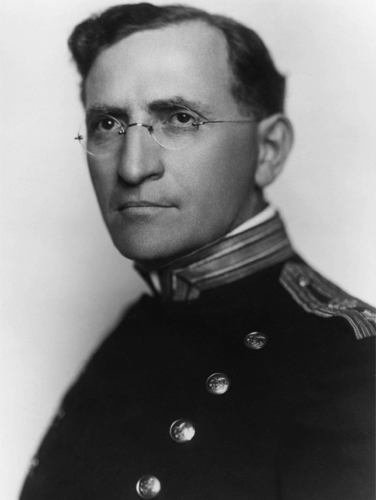
1a. He observes first hand where the severe cases of the pellagra are. He then visited a prison with lots of cases of pellagra. This helped him to develop his hypothesis as he found all the people getting pellagra were poor and had a terrible diet.
1b. He found that in orphanages and prisons only the kids and the prisoners contracted pellagra, not the teachers from the orphanages or the staffs from the prison, so it couldn't be caused by germs as they do not know of status boundaries.

2a. His hypothesis about the cause of pellagra was that it was caused by a lack of vitamins, like scurvy.
2b. He conducted an experiment on 11 prisoners. Before the experiment, the prisoners were eating fruits and vegetables from the prison garden. Goldberger started feeding them only corn and bread, and in the end 7/11 of the people that ate corn contracted pellagra, but when the prisoners were allowed to eat fruits and vegetables their pellagra healed. This provided evidence that proved his hypothesis as when he took away vitamins, the inmates got pellagra, but when they had vitamins (fruits and vegetables) again, they got better.
2c. He could have provided more information like telling the people at that time what particular vitamin, when lacked, caused pellagra. This would have acted like a "medicine" and people would have believed in it more. Or, he could have said people need to have a lot of vitamins to cure pellagra instead of saying that it was caused by a lack of vitamins.
5. I think this was a bad idea as conducting the experiment on humans would actually be quite cruel and sometimes might get the people in the experiment insane and confused. They would also suffer a terrible 6 months of their life suffering pellagra because of the diet. I would only try to give it to one person that is willing to suffer pellagra for science's sake, or just give it to another animal entirely. This would be a lot better as not so many humans would have to contract the pellagra disease.
1a. He observes first hand where the severe cases of the pellagra are. He then visited a prison with lots of cases of pellagra. This helped him to develop his hypothesis as he found all the people getting pellagra were poor and had a terrible diet.
1b. He found that in orphanages and prisons only the kids and the prisoners contracted pellagra, not the teachers from the orphanages or the staffs from the prison, so it couldn't be caused by germs as they do not know of status boundaries.
2a. His hypothesis about the cause of pellagra was that it was caused by a lack of vitamins, like scurvy.
2b. He conducted an experiment on 11 prisoners. Before the experiment, the prisoners were eating fruits and vegetables from the prison garden. Goldberger started feeding them only corn and bread, and in the end 7/11 of the people that ate corn contracted pellagra, but when the prisoners were allowed to eat fruits and vegetables their pellagra healed. This provided evidence that proved his hypothesis as when he took away vitamins, the inmates got pellagra, but when they had vitamins (fruits and vegetables) again, they got better.
2c. He could have provided more information like telling the people at that time what particular vitamin, when lacked, caused pellagra. This would have acted like a "medicine" and people would have believed in it more. Or, he could have said people need to have a lot of vitamins to cure pellagra instead of saying that it was caused by a lack of vitamins.
5. I think this was a bad idea as conducting the experiment on humans would actually be quite cruel and sometimes might get the people in the experiment insane and confused. They would also suffer a terrible 6 months of their life suffering pellagra because of the diet. I would only try to give it to one person that is willing to suffer pellagra for science's sake, or just give it to another animal entirely. This would be a lot better as not so many humans would have to contract the pellagra disease.
Tuesday, 10 September 2013
Precision And Its Importance

Thursday, 22 August 2013
Respect and Protect
These are the things that are the most important when using a laptop, and will change your future in tech..........
Yesterday, we learnt about the DCA, short for the digital citizenship agreement. In the class, we learnt about the aspects of the agreement, for example copyright rules, privacy, and policy. The most important points to remember are these -
Yesterday, we learnt about the DCA, short for the digital citizenship agreement. In the class, we learnt about the aspects of the agreement, for example copyright rules, privacy, and policy. The most important points to remember are these -
- Respect and Protect Yourself
- Not to post any silly information or private information on the web. This literally means not to post any private information that will harm you in the future or make fun of you in any way by any means. Other people could also tease you about it and it could go viral.
- Not to post any pictures of yourself on the web.This will give away what you look like and let others know your personal identity, and will be able to track you. Others will also be able to see you and if it is embarrassing, you will be harmed in the future.
2. Respect and Protect Others
- Not to post rude opinions or facts about other people. This usually insults others as if they see a bad picture or fact about them online, they might get really cross and get quite mad. They will also start to "carry the chain" which means they will take out their anger on another person, and it goes on and on and on.........
- Not to post something rude about another person behind their back. This is worse then when the victim gets to see it as he doesn't know what is going on and could by socially bullied, or cyberbullied by others without knowing why.
3. Respect and Protect Property
- To look after your computer. You should never leave your computer lying around, as someone might try to steal it, and you must never leave any food or drinks around it. This will cause the computer to break if the drink or crumbs spill on it. You should never leave in your overstuffed backpack or stack books on top of it in your locker. This will crack your screen and the computer will break.
- Come to school prepared to work, with a charged battery, laptop in case, and earphones. This is extremely important as without a charged battery, you will not be able to participate in any activities using a computer if the laptop runs out of battery. You must always have it in your case, as if you take it out, and it drops, it will crack the screen or it will break entirely. Earphones are also extremely important as you can't have 316 laptops playing ear-piercing music. You should be able to listen to your music, but not anyone else's.
4. Respect and Protect Intellectual Property
- Not to download or copy any pirated pieces of music, and to purchase original tracks. This is a must as even as silly as it might seem, it is stealing. Imagine if you posted an amazing picture of a sunset and then suddenly it went viral and 10,000 people were using it for free on their profile. If you created your own music, you also don't want others publishing it off as their own or taking it for free.
- No peer to peer or torrenting. This is pretty important as if you download these on your laptop, there might be a "trojan horse" or even a ".bit" file that you don't want and when you delete it it gives you a virus. There are lots of things people on the outside can do to harm you, and you better beware of the dangers.
- Properly cite the media or software you have used in your published piece. This is also needed as others need to know the photo is not yours or if it is yours when you made it. It also helps stop copyright and other laws like that, so you should do it!

(from : http://www.blogcdn.com/www.tuaw.com/media/2010/03/iphone-battery-icon-cjr.jpg)
I used to think that it was fine to get free music or pictures from the internet, as I thought the website got permission to use it, so I could, but now I realise that you shouldn't do that as it is really annoying to the person that made it as you are getting his work for free. Another thing I learnt throughout this DCA is never to post any private info on the web. I knew that before, but I never knew the impact was that serious.Last but not least, I know about the DCA and will follow it for the rest of my time in school and while using a computer. In fact, what do you think about the DCA? Do you think it is necessary or not? Feel free to comment any feelings or opinions you have about it.
Finé
Subscribe to:
Posts (Atom)